Compare Local Contractors for Concrete Coring Projects
Compare local contractors for concrete coring to define project scope, verify experience, and set clear expectations for a successful job.
Concrete coring services are essential for creating precise openings in existing concrete structures. This work typically involves drilling circular holes in concrete slabs, walls, or floors to accommodate pipes, electrical conduits, vents, or other installations. The process requires specialized equipment and expertise to ensure that the core holes are clean, accurately placed, and do not compromise the integrity of the surrounding material. Properly performed concrete coring helps facilitate building modifications, renovations, or utility installations with minimal disruption to the property.
Defining the scope of a concrete coring project is an important step in ensuring the work meets specific needs and expectations. Clearly outlining the size, location, and purpose of the core holes helps property owners communicate their requirements to contractors and prevents misunderstandings. A detailed scope also allows contractors to assess the complexity of the job, identify potential challenges, and determine the appropriate equipment and techniques needed. Documenting these details in writing provides a reference point that can help manage the project effectively and avoid surprises.
When comparing local contractors for concrete coring, property owners should consider several factors to make informed decisions. It’s useful to verify the experience of service providers with similar projects and ask about their familiarity with the type of concrete and structural considerations involved. Reviewing credentials such as references or portfolio examples can provide insight into their workmanship. Additionally, obtaining detailed, written descriptions of the scope of work, including the specific tasks and responsibilities, can help ensure everyone is aligned. By evaluating these elements, property owners can find qualified contractors who are capable of delivering the work according to their project needs.
Compare local contractors by outlining project priorities, verifying experience, and setting clear expectations in writing.
- Compare Contractor Experience - Review the background and project history of local contractors to ensure they have relevant expertise.
- Define Project Scope Clearly - Outline specific requirements and expectations to communicate effectively with service providers.
- Verify Credentials and References - Confirm the qualifications and gather feedback from previous clients of local contractors.
- Document Agreements in Writing - Keep detailed records of scope, responsibilities, and expectations to prevent misunderstandings.
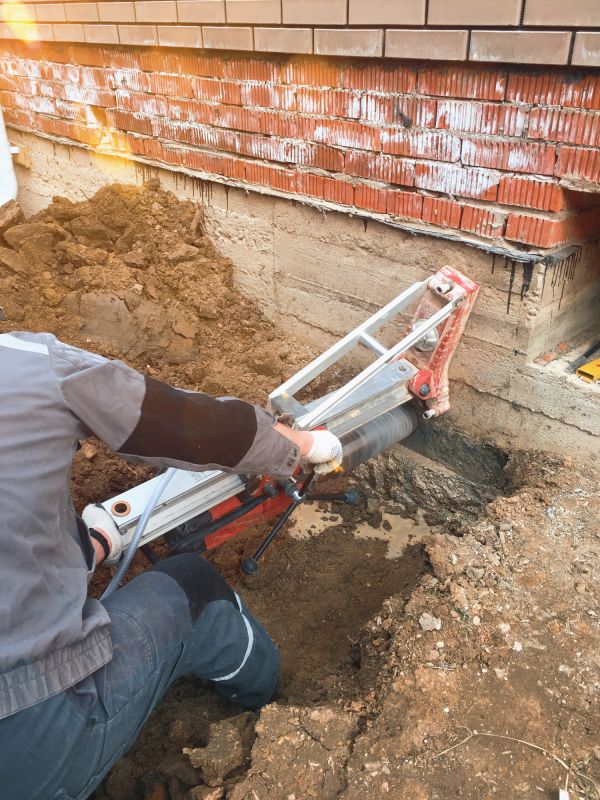
Clearly describe your concrete coring project to compare local contractors, verify experience, and set expectations in writing.
- Verify experience with concrete coring projects similar in scope and complexity. - Ensure contractors have a proven track record handling the specific type of core drilling needed.
- Clarify the scope of work and specific requirements in writing before selecting a contractor. - Detailed scope helps prevent misunderstandings and sets clear expectations for the project.
- Check that the service providers use appropriate equipment and techniques for the concrete conditions. - Proper tools and methods are essential for accurate and safe coring results.
- Discuss site preparation and any access considerations to ensure the project can be completed smoothly. - Understanding site conditions helps contractors plan effectively and avoid surprises.
- Request references or examples of completed concrete coring jobs to assess quality and reliability. - References provide insight into the contractor’s workmanship and professionalism.
- Confirm that all project details, including scope and expectations, are documented in a written agreement. - Written agreements help protect both parties and ensure clarity throughout the project.
Compare local contractors' experience and clarify project scope to ensure successful concrete coring.
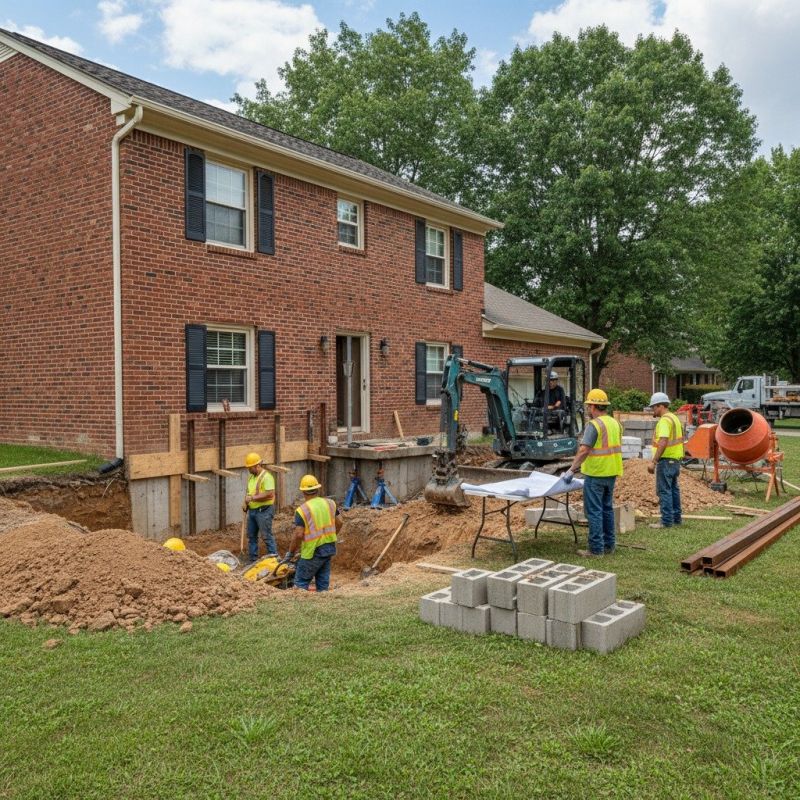

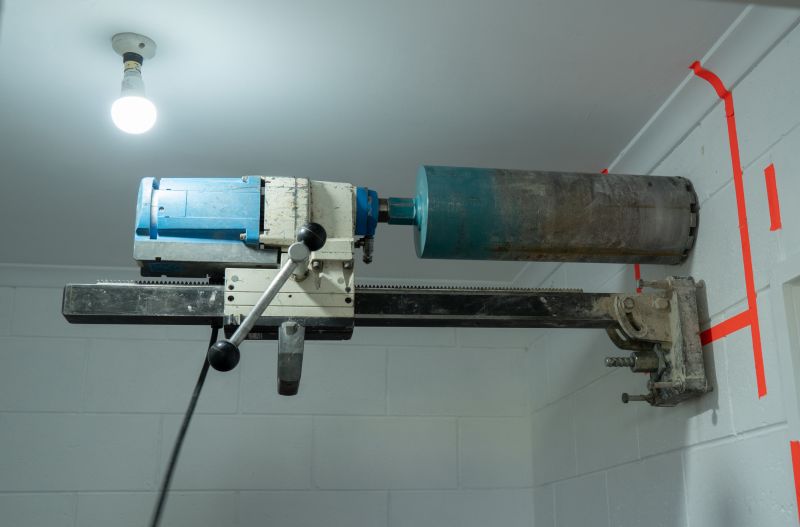
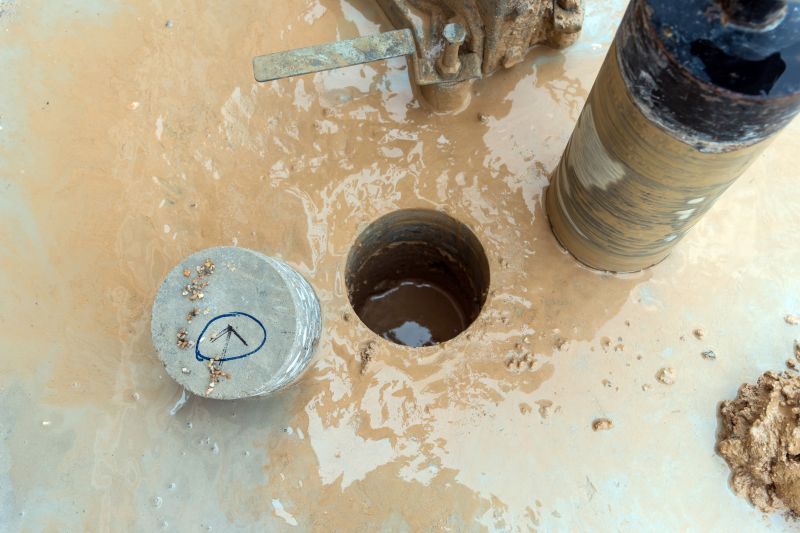
Learn how to compare concrete coring contractors, define scope clearly, verify experience, and set expectations in writing for consistent results.
- Project Scope - Clearly define the size, location, and purpose of the coring work needed.
- Material and Surface Details - Specify the type of concrete or surface material to be coring through.
- Equipment Requirements - Identify any specialized tools or equipment necessary for the project.
- Access and Site Conditions - Describe site access points, obstructions, and safety considerations for the work area.
- Experience and Credentials - Verify that local contractors have relevant experience handling similar concrete coring projects.
When evaluating contractors for concrete coring, it is important to consider their experience with similar projects. Homeowners should inquire about the types of concrete work the service providers have handled in the past, ensuring they have a track record of performing coring on structures comparable to their own. A contractor’s familiarity with specific applications-such as foundation work, flooring, or wall penetrations-can indicate their ability to deliver quality results efficiently and safely. Verifying a contractor’s experience helps set realistic expectations about the level of expertise they bring to the job.
A clear, written scope of work is essential when comparing different concrete coring service providers. The scope should detail specific tasks, the size and number of cores needed, and any additional services required, such as patching or finishing. Having a well-defined scope helps prevent misunderstandings and ensures that both parties are aligned on what the project entails. Homeowners should review the scope carefully, seeking clarity on any ambiguous points before proceeding, which can contribute to a smoother project process.
Verification basics involve confirming the credentials and track record of prospective contractors. This might include checking references, reviewing past project descriptions, or requesting examples of completed work similar to the current project. Homeowners should also verify that the contractor’s experience aligns with the scope of work, and inquire about their familiarity with the specific materials and conditions involved. Proper verification helps establish confidence that the chosen service provider has the foundational knowledge and practical experience to handle the project successfully.
When comparing options, it is helpful to evaluate how each contractor communicates and documents their process. Clear written proposals that outline the scope, materials, and methods provide a basis for comparison and help set expectations. Homeowners should also consider the professionalism and responsiveness of the service providers during initial interactions. By focusing on the clarity of communication, experience with similar projects, and the thoroughness of their proposals, homeowners can make informed decisions about which contractor is best suited to meet their project needs without relying solely on price considerations.
Ask contractors to provide written scope details to ensure clear understanding and consistent project expectations.
- Experience and Project Scope - What experience do local contractors have with projects similar in size and complexity?
- Equipment and Techniques - What types of core drilling equipment and methods do service providers use for different applications?
- Scope and Services - How do contractors define the scope of work and ensure all project requirements are addressed?
- Work Plan and Expectations - How do local contractors communicate the process, including site preparation and cleanup, in writing?
- Credentials and References - Can service providers provide references or examples of past projects to verify their expertise?
What should I consider when comparing contractors for concrete coring? It’s important to review their experience with similar projects, verify their reputation through references or reviews, and ensure they understand the scope of work to meet specific needs.
How can I define the scope of a concrete coring project? Clearly outline the size, location, and purpose of the coring work, and communicate these details to potential contractors to ensure they understand the project requirements.
What questions should I ask contractors about their experience? Inquire about their previous projects, the types of concrete they have worked with, and their familiarity with the specific tools and techniques needed for your job.
Why is it important to have the scope of work in writing? Having a detailed, written scope helps prevent misunderstandings, sets clear expectations, and provides a reference point for project completion and accountability.
How can I verify a contractor’s expertise in concrete coring? Look for references or reviews from past clients, ask about their experience with similar projects, and ensure they are knowledgeable about safety and best practices.
What should be included in a contract with a concrete coring service provider? A comprehensive contract should specify the scope of work, project specifications, materials to be used, and the agreed-upon terms to ensure clarity and mutual understanding.
This page has highlighted key points to consider when choosing contractors for concrete coring projects. Visitors learned how to define the scope of work, verify the experience of service providers, and set clear expectations in writing to help ensure the project runs smoothly. Comparing local contractors can help identify options that align with specific project needs and preferences.
Interested in finding the right service provider for concrete coring? Using the quote form can help facilitate comparisons among local contractors, making it easier to explore available options. Taking the time to gather information and clarify project details can support informed decisions when selecting a contractor for the job.