Compare Local Contractors for Basement Floor Sawing Services
Compare local contractors for basement floor sawing to define project scope, verify experience, and establish clear expectations before hiring.
Basement floor sawing is a specialized service that involves cutting into concrete surfaces to create openings, control joints, or remove sections for renovations and structural modifications. This work typically covers tasks such as cutting precise lines for new doorways, windows, or ventilation openings, as well as creating control joints to prevent future cracking. Contractors may also handle removal of old concrete slabs or prepare surfaces for additional construction work. Understanding the scope of these services helps property owners ensure that the work aligns with their project needs and that the contractor is equipped to handle the specific requirements of basement flooring.
Defining the scope of basement floor sawing is a crucial step in selecting the right service provider. Clear specifications about the size, depth, and location of cuts, as well as any additional demolition or preparation work, help prevent misunderstandings and ensure the project proceeds smoothly. Property owners should consider discussing detailed plans and expectations in writing with potential contractors. This documentation can serve as a reference point, provide clarity on responsibilities, and help ensure that the work performed meets the desired standards and project specifications.
When comparing local contractors for basement floor sawing, it’s important to evaluate their experience and familiarity with similar projects in the area. Property owners can ask about the types of jobs they have completed, the equipment they use, and their approach to safety and precision. Checking references or seeking recommendations can also provide insights into a contractor’s reliability and quality of work. Additionally, reviewing written proposals that outline the scope, methods, and responsibilities can help in making an informed decision. Comparing these aspects across multiple service providers ensures that property owners select a contractor capable of delivering the required results with professionalism and expertise.
Compare local contractors by outlining your project priorities, verifying experience, and establishing clear scope and expectations.
- Define Project Scope - clearly outline the specific requirements and dimensions of the basement floor sawing job.
- Verify Contractor Experience - assess the background and previous work of local contractors to ensure competence.
- Compare Service Providers - evaluate different contractors based on expertise, reputation, and service offerings.
- Document Expectations in Writing - establish detailed agreements to clarify scope, methods, and responsibilities before work begins.

Clearly describe your basement floor sawing project to help compare local contractors, verify experience, and set expectations in writing.
- Verify experience and expertise in basement floor sawing to ensure contractors are knowledgeable about the specific requirements of the project.
- Define the scope of work clearly in writing to set expectations and prevent misunderstandings during the project.
- Compare multiple local contractors to evaluate their range of services, reputation, and specialization in floor sawing.
- Check references or reviews to assess the quality of previous basement floor sawing projects completed by the service providers.
- Ensure all project details, including scope and responsibilities, are documented in a comprehensive written agreement.
- Discuss the methods and equipment that will be used to confirm they meet the project's specific needs and conditions.
Compare local contractors’ experience and clarify project scope to ensure successful basement floor sawing.

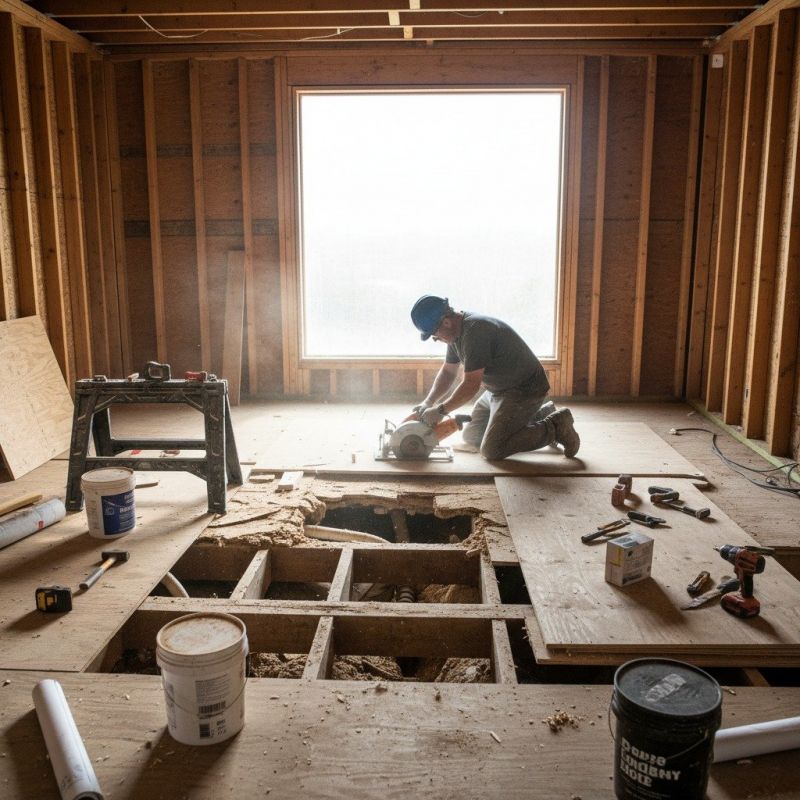
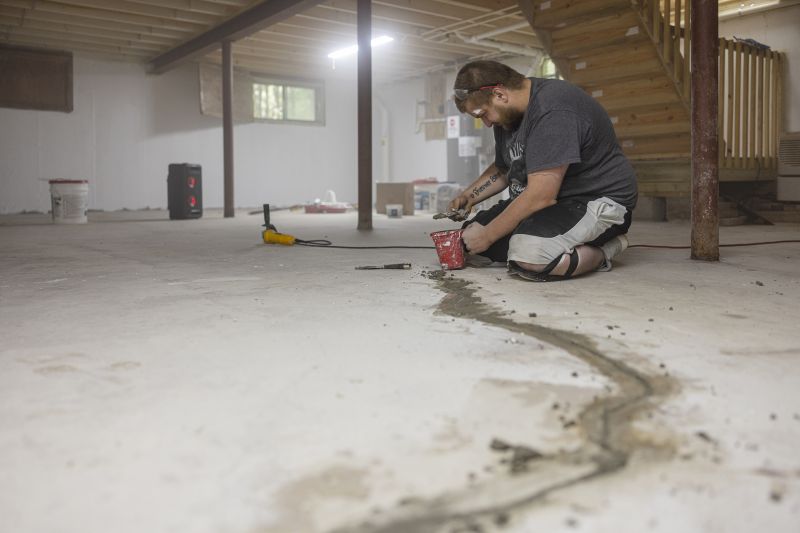

This section guides you on comparing local contractors for basement floor sawing by defining scope, verifying experience, and maintaining consistent expectations.
- Project Scope - Clearly define the extent of basement floor sawing work required to ensure accurate contractor comparison.
- Material and Surface Details - Specify the type of flooring or surface to be cut to help identify experienced service providers.
- Equipment and Technique - Determine the preferred sawing methods and equipment needed for the project scope.
- Site Conditions - Assess and document basement access, space constraints, and environmental considerations that may impact the work.
- Expectations and Deliverables - Establish written expectations for the work, including scope boundaries and desired outcomes, to facilitate clear communication with local contractors.
When evaluating contractors for basement floor sawing, it is important to consider their experience with similar projects. Homeowners should seek service providers who have a proven track record of completing basement sawing tasks comparable in scope and complexity. Asking about the types of projects they have handled and requesting references or examples can provide insight into their familiarity with specific floor materials, thicknesses, and site conditions. This background helps ensure that the contractor understands the technical requirements and can deliver the work effectively.
A clear, written scope of work is essential for setting expectations and avoiding misunderstandings. Homeowners should work with contractors to develop a detailed description of the project, including the size of the area to be cut, the depth of the saw cut, and any additional services needed such as dust control or debris removal. Having this scope documented provides a reference point for both parties and helps ensure that all aspects of the job are understood and agreed upon before work begins.
Verification basics involve confirming that the contractor has the necessary experience, equipment, and processes to perform the job safely and effectively. Homeowners should inquire about the types of saws and tools the contractor uses, as well as their approach to site preparation and cleanup. Asking how they ensure accuracy and safety during the cutting process can help verify that the service provider follows industry best practices. It is also useful to confirm that the contractor has appropriate insurance coverage to protect against potential damages or accidents.
When comparing options, homeowners should focus on the contractor’s experience, clarity of scope, and verification measures rather than prices. Reviewing written proposals or estimates can reveal how well each service provider understands the project needs and whether they have outlined the work thoroughly. Additionally, seeking out local contractors with a solid reputation and verified experience can help ensure a smooth process. By carefully assessing these factors, homeowners can make informed decisions and select a service provider capable of handling their basement floor sawing project effectively.
Request written scope details from service providers to ensure clear expectations and consistent project understanding.
- Experience and Expertise - What specific experience do local contractors have with basement floor sawing projects similar to this scope?
- Scope Definition - How do contractors clarify and document the extent of the sawing work to ensure mutual understanding?
- Equipment and Techniques - What types of saws and methods do service providers typically use for basement floor sawing?
- Project Expectations - How do local contractors communicate the expected outcomes and limitations of the sawing process?
- Comparison Factors - What criteria should be used to compare different service providers’ approaches and experience levels for basement floor sawing?
How can I compare contractors for basement floor sawing? To compare contractors, review their experience, verify their scope of work, and check any available references or reviews to ensure they meet project needs.
What should I consider when defining the scope of basement floor sawing? Clearly outline the area to be cut, the depth required, and any specific techniques or equipment needed to ensure the contractor understands the project requirements.
How do I verify a contractor’s experience with basement floor sawing? Ask for details about their previous projects, request references, and confirm their familiarity with the type of flooring and conditions present in your basement.
What is important to include in a written agreement with a contractor? The scope of work, project specifications, responsibilities, safety considerations, and any agreed-upon expectations should be documented clearly in the contract.
Why is it helpful to get multiple quotes from different service providers? Comparing multiple quotes allows for better understanding of the scope and quality of work offered, helping to identify the most suitable contractor for the project.
What questions should I ask a contractor before hiring for basement floor sawing? Inquire about their experience, equipment used, project approach, and how they handle unforeseen issues to ensure they are prepared for your specific project needs.
This page has highlighted the importance of clearly defining the scope of basement floor sawing projects and verifying the experience of local contractors. Visitors learned how to compare options effectively by examining credentials, reviewing project approaches, and setting clear expectations in writing. Taking these steps can help ensure that the chosen service providers are well-suited to handle the specific needs of a basement flooring project.
To find the right contractor for basement floor sawing, visitors are encouraged to use the quote form to compare local service providers. Gathering multiple proposals allows for a better understanding of each contractor’s approach and helps in making an informed decision. Connecting with qualified local contractors through this process can support a smooth and successful project experience.